
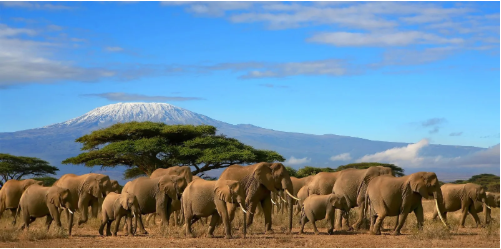
Tanzania stands as one of Africa’s most magnificent safari destinations, offering travelers an unparalleled opportunity to witness nature’s grandest spectacle. From the endless plains of the Serengeti to the wildlife-rich Ngorongoro Crater, a Tanzania safari tour delivers experiences that remain etched in memory forever. This comprehensive guide explores everything you need to know about planning and experiencing the safari adventure of a lifetime.
Why Choose Tanzania for Your Safari Adventure
Tanzania encompasses some of the most biodiverse ecosystems on Earth. The country’s commitment to conservation has resulted in approximately 30% of its land being protected in national parks, game reserves, and conservation areas. This dedication creates an environment where wildlife thrives in their natural habitats, offering visitors authentic encounters with Africa’s iconic species.
The diversity of landscapes within Tanzania’s borders is staggering. Within a single trip, you can traverse volcanic highlands, acacia-dotted savannas, lush forests, and alkaline lakes teeming with flamingos. Each ecosystem supports distinct wildlife communities, ensuring that every day of your safari brings new discoveries and photographic opportunities.
The Serengeti: Heart of the Safari Experience
No Tanzania safari tour is complete without experiencing the Serengeti National Park. This UNESCO World Heritage Site stretches across 14,750 square kilometers of pristine wilderness, hosting the greatest concentration of plains animals in Africa. The Serengeti is synonymous with the Great Migration, an annual phenomenon where over two million wildebeest, accompanied by hundreds of thousands of zebras and gazelles, traverse the landscape in search of fresh grazing grounds.
The migration follows a circular route throughout the year, offering different spectacles depending on your travel dates. Between January and March, the southern Serengeti becomes a birthing ground where thousands of wildebeest calves enter the world daily. From April to June, the herds begin their northward journey. The dramatic Mara River crossings occur between July and October, where predators lie in wait and crocodiles patrol the waters. November and December see the herds returning southward, completing nature’s eternal cycle.
Beyond the migration, the Serengeti offers exceptional predator viewing year-round. Lions lounge in the branches of acacia trees, leopards stalk through the grasslands at dusk, and cheetahs use termite mounds as vantage points to survey their territory. The park’s resident wildlife population ensures thrilling game drives regardless of the season.
Ngorongoro Crater: The Garden of Eden
The Ngorongoro Conservation Area represents a geological marvel and wildlife sanctuary unlike any other. The crater itself formed millions of years ago when a massive volcano exploded and collapsed upon itself, creating the world’s largest intact volcanic caldera. Today, this natural amphitheater spans 260 square kilometers and descends 600 meters from rim to floor.
The crater’s unique geography creates a self-contained ecosystem supporting an estimated 25,000 large animals. The permanent water sources and diverse habitats mean wildlife remains resident year-round, making Ngorongoro one of the most reliable locations for game viewing in Africa. The crater floor hosts Africa’s densest population of lions, alongside black rhinos, elephants, buffalos, and an abundance of herbivores.
Morning descents into the crater reveal a landscape shrouded in mist, gradually illuminated by the rising sun. The crater walls provide a dramatic backdrop for wildlife photography, while the soda lake attracts thousands of flamingos that paint the shoreline pink. Many safari operators include the crater as a highlight of their Tanzania safari tour itineraries.
Tarangire National Park: The Elephant Kingdom
Often overshadowed by its more famous neighbors, Tarangire National Park deserves recognition as one of Tanzania’s hidden gems. The park takes its name from the Tarangire River, which serves as the primary water source during the dry season, attracting massive concentrations of wildlife between June and October.
Tarangire is renowned for its elephant population, with herds numbering in the hundreds congregating around the river and remaining waterholes. The park’s distinctive landscape features ancient baobab trees that dominate the skyline, their massive trunks storing water through the dry months. These iconic trees create stunning photographic compositions, especially during golden hour when elephants gather beneath their branches.
The park also offers excellent birding opportunities, with over 550 species recorded. Tarangire’s diverse habitats support unique wildlife viewing, including tree-climbing pythons, large kudu populations, and endangered species like the fringe-eared oryx and long-necked gerenuk.
Lake Manyara: Compact Diversity
Lake Manyara National Park may be one of Tanzania’s smaller reserves, but its compact size belies its ecological significance. The park’s most famous residents are its tree-climbing lions, a behavior rarely observed elsewhere in Africa. While the exact reason for this unusual habit remains debated, theories suggest it helps avoid tsetse flies or provides elevated vantage points.
The alkaline lake that gives the park its name attracts enormous flocks of flamingos, pelicans, and other water birds. The surrounding groundwater forest provides habitat for troops of baboons and blue monkeys, while the open grasslands and acacia woodland support elephants, giraffes, zebras, and wildebeest. Hot springs bubble through the earth in the southern section, adding geothermal interest to the diverse landscape.
Types of Tanzania Safari Tours
Tanzania safari tours come in various formats to suit different preferences, budgets, and travel styles. Understanding these options helps you select the experience that best matches your expectations.
Luxury Lodge Safaris offer the highest level of comfort, with accommodations in upscale lodges featuring gourmet dining, swimming pools, spa services, and spacious rooms with spectacular views. These lodges often occupy premium locations within or adjacent to national parks, providing excellent wildlife viewing opportunities without sacrificing comfort.
Tented Camp Safaris strike a balance between authenticity and comfort. Permanent tented camps feature en-suite bathrooms, comfortable beds, and excellent service while maintaining the ambiance of sleeping under canvas. The sounds of the African bush at night create an immersive experience that connects guests more intimately with their surroundings.
Mobile Camping Safaris follow the wildlife, relocating camps to optimize game viewing opportunities throughout the year. These experiences appeal to adventurous travelers seeking authentic bush experiences with professional guides who set up camp each evening.
Budget Camping Safaris provide affordable options for travelers willing to participate in camp setup and embrace simpler facilities. These tours make Tanzania safari experiences accessible to budget-conscious adventurers without compromising wildlife viewing opportunities.
Private Safaris offer customized itineraries with dedicated guides and vehicles, allowing flexibility in schedules and personalized attention. Families, couples seeking privacy, or groups with specific interests benefit from this premium option.
Group Joining Safaris bring together travelers from different backgrounds, creating opportunities for shared experiences and cost savings. These scheduled departures follow set itineraries with predetermined accommodation.
When to Visit Tanzania for Safari
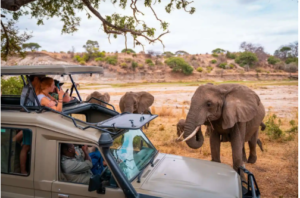
Tanzania offers excellent safari opportunities throughout the year, though different seasons provide distinct advantages. The dry season from June to October represents peak safari time, when animals concentrate around water sources and vegetation, making wildlife easier to spot. This period coincides with the dramatic Mara River crossings and offers pleasant weather with clear skies and moderate temperatures.
The short rains from November to December bring lower tourist numbers and attractive pricing while maintaining good game viewing. The landscape transforms into lush greenery, and many animals give birth during this period, attracting predators and creating dynamic wildlife interactions.
January and February offer spectacular wildlife viewing in the southern Serengeti as the migration calving season unfolds. The weather is generally dry and pleasant, with excellent photographic conditions and fewer crowds than peak season.
The long rains from March to May present the lowest prices and emptiest parks, though some roads become challenging and certain camps close. However, this period rewards intrepid travelers with verdant landscapes, dramatic skies, and intimate wildlife encounters.
Essential Safari Planning Considerations
Successful Tanzania safari tour require thoughtful planning. Most international visitors fly into Kilimanjaro International Airport or Julius Nyerere International Airport in Dar es Salaam, with connecting flights to airstrips near major parks available through regional carriers.
Visa requirements vary by nationality, with many visitors obtaining visas on arrival or through Tanzania’s e-visa system. Ensure your passport remains valid for at least six months beyond your intended departure date.
Comprehensive travel insurance covering medical emergencies, evacuation, and trip cancellation provides essential protection. African safaris involve remote locations where medical facilities may be limited, making evacuation coverage particularly important.
Yellow fever vaccination is required if arriving from endemic countries. Malaria prophylaxis is recommended for most safari regions, and routine vaccinations should be current. Consult travel medicine specialists well in advance of departure.
Packing for safari requires balancing comfort with practicality. Neutral-colored clothing in beige, khaki, and olive helps you blend into the environment. Lightweight, breathable fabrics suit Tanzania’s climate, while layers accommodate temperature fluctuations. Essential items include wide-brimmed hats, sunscreen, insect repellent, binoculars, camera equipment with adequate memory cards and batteries, and a good quality flashlight.
The Cultural Dimension
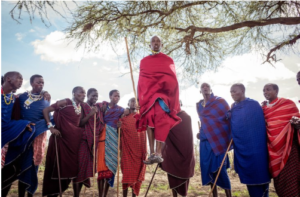
Tanzania safari tours increasingly incorporate cultural experiences that enrich understanding of local communities. Visits to Maasai villages provide insights into traditional pastoralist lifestyles, though selecting ethical cultural tourism operators who ensure communities benefit fairly is important.
The Hadzabe people, one of Africa’s last hunter-gatherer communities, offer unique cultural exchanges in the Lake Eyasi region. Participating in morning hunts and learning about traditional survival skills creates memorable connections to ancient ways of life.
Supporting community-based conservation initiatives through your safari choice contributes to sustainable tourism that benefits both wildlife and local populations. Many lodges and tour operators partner with communities on education, healthcare, and conservation projects funded partially through tourism revenue.
Conservation and Responsible Tourism
Tanzania’s wildlife faces ongoing challenges from habitat loss, human-wildlife conflict, and poaching pressures. Responsible safari tourism plays a crucial role in conservation by generating revenue that funds anti-poaching efforts, habitat protection, and community development programs that reduce incentives for wildlife crime.
Choosing tour operators committed to sustainable practices, respecting park rules regarding wildlife distances and behavior, and supporting conservation-oriented lodges and camps all contribute to preserving Tanzania’s natural heritage. Avoid operators offering off-road driving, wildlife harassment, or other environmentally damaging practices, regardless of price advantages.
Conclusion
A Tanzania safari tour represents far more than a vacation—it’s a transformative journey into Earth’s greatest wildlife theater. The sight of lions prowling through golden grasslands, elephants silhouetted against African sunsets, and millions of animals flowing across the Serengeti creates moments that transcend ordinary travel experiences. Tanzania’s commitment to conservation, combined with world-class infrastructure and diverse accommodation options, ensures that every visitor can find their perfect safari experience.
Whether witnessing the Great Migration’s dramatic river crossings, tracking black rhinos in Ngorongoro Crater, or listening to lions roar beneath star-filled skies from your tented camp, Tanzania delivers on the promise of authentic African safari adventures. The country’s stunning landscapes, abundant wildlife, and warm hospitality combine to create journeys that inspire, educate, and foster deep connections with the natural world.
As you plan your Tanzania safari tour, remember that you’re not just observing wildlife—you’re participating in a conservation story where tourism supports the protection of irreplaceable ecosystems and the communities that coexist with them. The memories you create and the support you provide through responsible tourism help ensure that future generations can experience the same magic that draws travelers to Tanzania’s wild places.
Key Takeaways
- Tanzania offers Africa’s most diverse safari experiences, from the Serengeti’s Great Migration to Ngorongoro Crater’s dense wildlife populations
- Different seasons provide unique advantages: dry season for concentrated wildlife, calving season for predator action, and green season for dramatic landscapes and lower prices
- Safari styles range from luxury lodges to budget camping, with options for every preference and budget
- Successful safaris require advance planning including appropriate visas, vaccinations, travel insurance, and thoughtful packing
- Responsible tourism choices support conservation efforts and benefit local communities
- The Great Migration follows a year-round cycle, offering spectacular viewing opportunities during different phases throughout the year
- Tanzania’s parks each offer unique characteristics: Serengeti for big cats and migration, Ngorongoro for rhinos and diverse species, Tarangire for elephants, and Manyara for tree-climbing lions
- Cultural experiences with communities like the Maasai and Hadzabe add depth to wildlife-focused itineraries
- Booking with reputable, conservation-minded operators ensures both quality experiences and positive impacts on wildlife protection
Frequently Asked Questions
How many days do I need for a Tanzania safari tour? A minimum of five to seven days allows you to visit multiple parks and fully appreciate Tanzania’s diversity. The Serengeti alone deserves at least two to three days, while adding Ngorongoro Crater, Tarangire, or Lake Manyara extends the itinerary. Ten to fourteen-day safaris provide comprehensive experiences without feeling rushed, allowing for varied landscapes and wildlife encounters.
What is the best time to see the Great Migration? The Great Migration occurs year-round as herds continuously move across the ecosystem. Mara River crossings happen primarily from July to October in the northern Serengeti. Calving season occurs from January to March in the southern Serengeti, attracting predators. Each phase offers unique spectacles, so the “best” time depends on which aspects interest you most.
Is Tanzania safari safe? Tanzania is generally safe for tourists, with safari parks being particularly secure environments. Reputable tour operators follow strict safety protocols, and experienced guides understand animal behavior and maintain appropriate distances. Following guide instructions, staying inside vehicles when required, and using common sense ensure safe experiences. Political stability and established tourism infrastructure make Tanzania one of Africa’s safest safari destinations.
How much does a Tanzania safari tour cost? Costs vary dramatically based on accommodation level, season, duration, and group size. Budget camping safaris start around $200-300 per person per day, mid-range tented camps range from $400-600 daily, while luxury lodges can exceed $800-1,500 per person daily. These rates typically include accommodation, meals, park fees, game drives, and guide services. Private safaris cost more than group joining options.
Do I need vaccinations for Tanzania safari? Yellow fever vaccination is mandatory if arriving from endemic countries and recommended for all travelers. Malaria prophylaxis is strongly advised as most safari areas are in malarial zones. Routine vaccinations including hepatitis A and B, typhoid, and tetanus should be current. Consult a travel medicine specialist at least six weeks before departure for personalized recommendations based on your itinerary.
What animals will I see on safari? Tanzania’s parks host Africa’s “Big Five” (lion, leopard, elephant, buffalo, rhino) plus cheetahs, giraffes, zebras, wildebeest, hippos, crocodiles, and diverse antelope species. Bird enthusiasts can spot over 1,000 species across the country. While wildlife sightings can never be guaranteed, Tanzania’s high animal densities provide excellent viewing opportunities. The specific animals you encounter depend on which parks you visit and the season.
Can I do a Tanzania safari tour independently? While technically possible, independent safaris present significant challenges including vehicle requirements, park navigation, camping arrangements, and missing the invaluable knowledge professional guides provide. Tanzania requires 4×4 vehicles for most parks, and self-drive options are limited. Most visitors find organized tours provide better value, safety, and wildlife expertise, making experiences far more rewarding than independent attempts.