
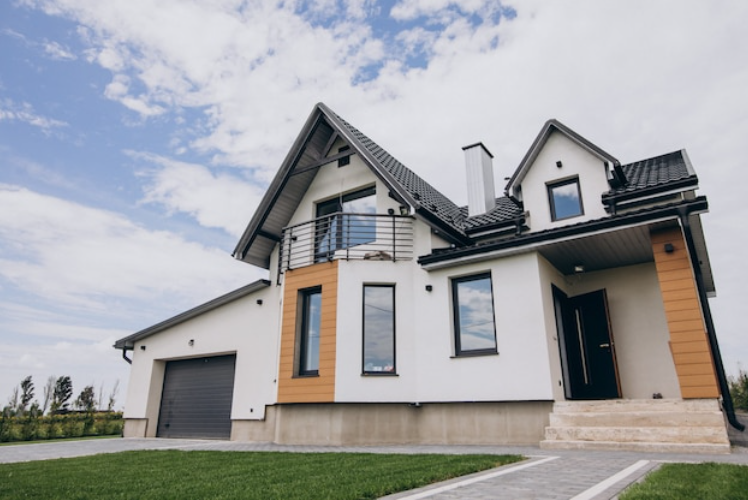
Building your dream home is an exciting journey that requires careful planning, professional guidance, and attention to detail. Constructing custom homes allows you to create a space that reflects your lifestyle, preferences, and long-term goals. Understanding the key steps in the process can help ensure a smooth and successful project. Here’s a step-by-step guide broken down into five main stages.
1. Planning and Budgeting
The foundation of any successful custom home project is proper planning and budgeting. Start by defining your goals, desired layout, and features such as the number of bedrooms, bathrooms, and special spaces. Consider your preferred style, materials, and future needs.
Establishing a realistic budget early ensures that decisions made throughout the project align with your financial plan. At this stage, researching costs and potential expenses can help avoid surprises later and ensures your custom homes project remains on track.
2. Choosing a Builder and Designing Your Home
Selecting a reputable custom homes builder is crucial for turning your vision into reality. Look for builders with experience, strong references, and a portfolio of completed projects. Once you choose a builder, work with architects and designers to create detailed floor plans, elevations, and layouts.
During this design phase, you can select finishes, fixtures, and materials that match your style while ensuring functionality. Proper collaboration with your builder guarantees that your home will meet both aesthetic and practical requirements.
3. Permits, Site Preparation, and Foundation
Before construction begins, your builder will obtain necessary permits and approvals from local authorities. This step ensures compliance with building codes, zoning regulations, and safety standards. Meanwhile, the construction site is prepared by clearing land, grading, and laying a solid foundation.
Utilities like water, electricity, and drainage systems are installed at this stage. A strong foundation sets the stage for a durable and long-lasting home, making this step one of the most important in your custom homes project.
4. Framing and Systems Installation
Once the foundation is complete, framing begins. This involves building the walls, floors, and roof structures that form your home’s skeleton. After framing, essential systems such as electrical wiring, plumbing, and HVAC are installed.
Coordinating these elements ensures your home is functional, safe, and ready for finishing. Proper execution during this phase guarantees the structural integrity and efficiency of your custom homes, preventing costly issues later.
5. Finishing, Inspection, and Move-In
The final stage involves interior and exterior finishing, including flooring, painting, cabinetry, countertops, siding, and roofing. Your builder will work with you to finalize details, ensuring the home reflects your vision.
After construction, inspections confirm that the home meets all safety and code requirements. Once approved, you can move in and enjoy your dream custom homes, often with post-construction support and warranties provided by the builder.
Conclusion
Building custom homes is a structured process that requires planning, professional expertise, and careful execution. By following these five steps, planning, choosing a builder, permits and foundation, framing and systems, and finishing with inspections, you can transform your dream home into reality while ensuring efficiency, quality, and peace of mind.