
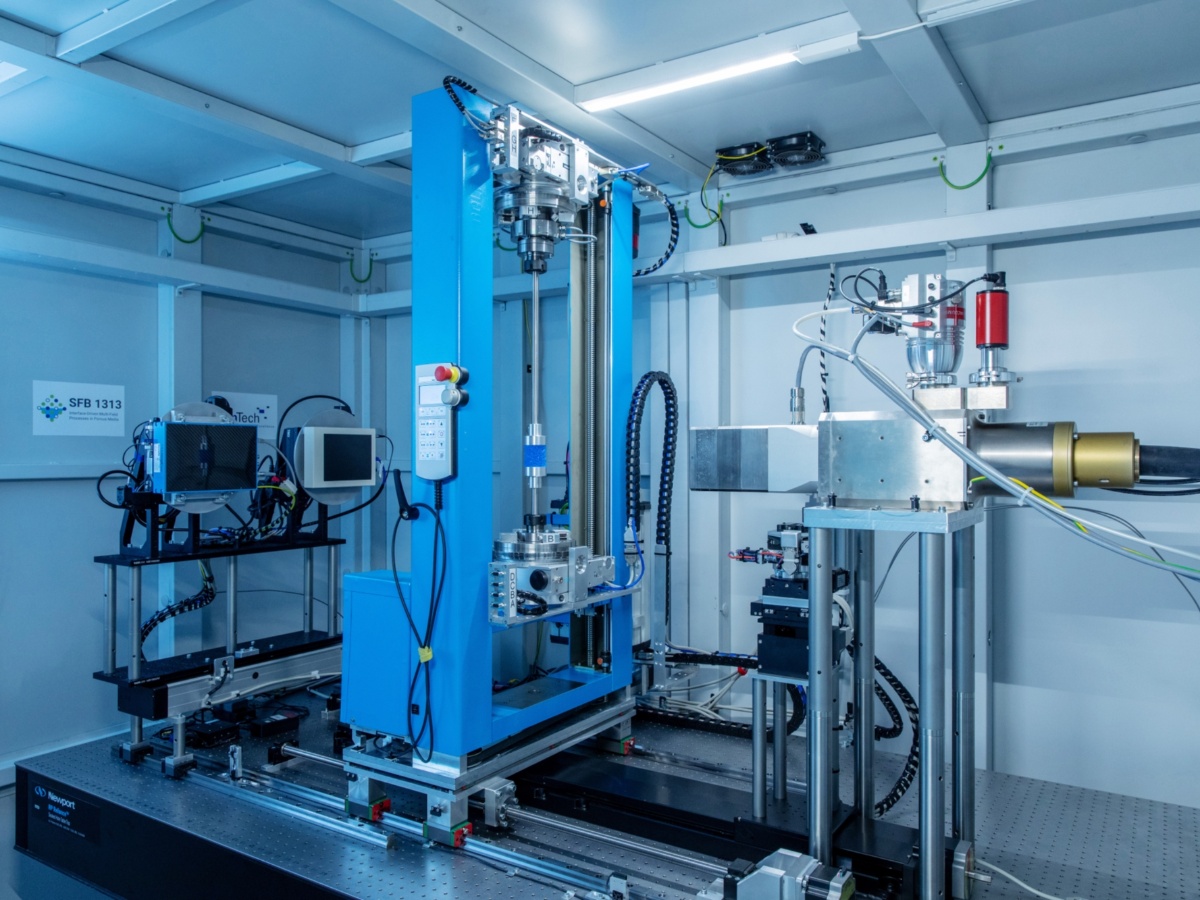
Advanced inspection and imaging systems rely on reliable radiation generation to deliver accurate results across industrial and scientific environments. One technology that has significantly improved system efficiency is the integrated X-ray source, which combines key components of an X-ray system into a compact and well-coordinated unit. By integrating essential elements such as the tube, power electronics, and control mechanisms, this design simplifies system architecture and improves operational stability.
Core Technology Behind Integrated X-Ray Systems
Integrated X-ray systems are designed to bring together multiple critical components of an imaging setup into a unified structure. Instead of relying on separate modules connected through complex wiring and control systems, these designs integrate power generation, tube operation, and system controls within a single coordinated unit.
- Unified Component Architecture
Integrated designs combine multiple essential elements of an X-ray system within a single framework. This architecture reduces the need for extensive external wiring and simplifies system installation. By keeping critical components closely coordinated, the system operates with improved electrical stability and reduced signal interference. - Optimized Thermal Management
X-ray systems generate heat during operation, especially when used for extended inspection cycles. Integrated designs often include advanced cooling solutions that manage heat more effectively. Proper thermal control ensures that the X-ray tube and associated electronics maintain consistent performance over long operational periods. - Simplified System Integration
Equipment manufacturers benefit from designs that are easier to integrate into larger inspection or imaging systems. Integrated structures reduce engineering complexity during system development. This allows manufacturers to focus on application-specific features rather than managing multiple independent electrical modules.
Electrical Performance and System Stability
Integrated systems are designed to regulate voltage and current with high precision, ensuring that radiation output remains stable during operation.
Within many advanced imaging systems, the integrated X-ray source works alongside specialized components such as a high voltage generator and X-ray unit to provide the electrical energy required for radiation generation.
- Precise Voltage Regulation
Accurate voltage control ensures that radiation is generated at the correct energy level for each inspection cycle. When electrical output remains stable, the imaging system produces consistent results that support reliable defect detection. This precision is particularly important when inspecting materials with varying densities. - Consistent Radiation Output
A stable electrical supply helps maintain uniform radiation intensity throughout the scanning process. Consistency in radiation output improves image clarity and ensures that internal structures appear accurately in inspection images. This stability is essential for industries where even small imaging variations can affect quality analysis. - Reduced Electrical Interference
Integrated designs help minimize electrical noise and interference that can occur when components are separated across multiple systems. By combining critical electronics within a single structure, these systems maintain cleaner signal transmission and more stable performance during operation.
Operational Advantages for Modern Inspection Systems
Integrated X-ray technologies offer several operational advantages that make them suitable for complex inspection environments. By combining system components and improving electrical coordination, these solutions enhance both efficiency and reliability.
- Compact System Design
Integrated systems significantly reduce the overall footprint of X-ray equipment. By combining multiple components within a single structure, equipment designers can create more compact inspection systems. This space efficiency is particularly valuable in manufacturing environments where equipment layout must be optimized. - Improved System Reliability
Fewer external connections and simplified architecture reduce the likelihood of technical failures. Integrated systems operate with fewer points of vulnerability compared to systems built from multiple independent modules. This reliability helps maintain consistent inspection performance across extended operational cycles. - Faster Installation and Setup
Equipment integration becomes simpler when systems include pre-configured components. Integrated structures reduce the complexity of wiring and electrical configuration during installation. This allows manufacturers and system integrators to deploy inspection equipment more efficiently.
Industrial Applications of Integrated X-Ray Technology
Integrated X-ray systems support a wide range of industries that depend on reliable internal imaging and inspection technologies. Their compact design and stable performance make them suitable for many specialized environments.
- Industrial Manufacturing Inspection
Manufacturing industries rely on X-ray systems to detect structural defects and verify product quality. Integrated systems provide stable imaging conditions that allow operators to examine internal structures without damaging the inspected components. This capability supports quality control processes across various production sectors. - Electronics Assembly Verification
In electronics manufacturing, X-ray imaging is commonly used to inspect solder joints and internal circuit structures. Integrated imaging systems provide the resolution required to detect small assembly defects. Reliable electrical performance ensures that images remain consistent during repeated inspection cycles. - Material Analysis and Research
Scientific laboratories use X-ray imaging to study material composition and internal structures. Integrated systems support research applications that require precise imaging conditions. Stable electrical performance allows researchers to obtain repeatable results that support accurate scientific analysis.
Efficiency and Long-Term System Performance
The design of integrated X-ray systems also contributes to long-term operational efficiency. By reducing complexity and improving electrical coordination, these systems help maintain reliable performance over extended periods.
- Reduced Maintenance Requirements
Systems with fewer independent components tend to require less frequent maintenance. Integrated designs minimize the number of external connections and electrical interfaces that could potentially fail. - Enhanced Equipment Longevity
Consistent electrical regulation helps protect sensitive electronic components from voltage fluctuations and operational stress. Stable operating conditions allow the system to maintain optimal performance over longer periods, contributing to the longevity of critical imaging equipment. - Improved Operational Efficiency
Integrated technologies streamline system performance by coordinating multiple functions within a unified design. This efficiency reduces operational interruptions and allows inspection systems to perform consistently during demanding industrial operations.
Conclusion
Integrated X-ray systems represent an important advancement in imaging technology by combining critical system components into a coordinated and efficient design. These systems simplify installation, improve electrical stability, and support consistent radiation generation for accurate inspection results. Their ability to maintain reliable performance across a variety of industrial environments has made them a valuable solution for manufacturers, researchers, and inspection professionals.
As industries continue to demand advanced imaging capabilities, organizations specializing in X-ray technology play an essential role in delivering reliable solutions. Among these innovators, the engineering expertise provided by VJ X-Ray highlights how modern system designs supported by technologies such as high-voltage generator X-ray solutions contribute to the advancement of industrial X-ray inspection and imaging systems.