
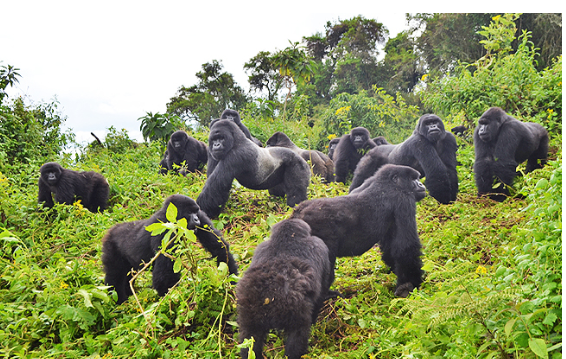
Rwanda has built a global reputation as one of the most rewarding places on Earth to meet mountain gorillas. The country is small, safe, and carefully managed, and its gorilla tourism model puts conservation and local communities at the center. Gorilla tours in Rwanda are known for their efficiency: you can land in Kigali, drive to the mountains, and be face to face with a silverback within a couple of days.
This guide explains what a Rwanda gorilla tour involves, what it costs, when to go, how to prepare, and how to plan a trip that makes the most of your time.
Why Choose Rwanda for Gorilla Trekking?
Rwanda offers a mix of advantages that few other destinations match.
Accessibility. Volcanoes National Park lies roughly two to three hours by road from Kigali International Airport. That makes Rwanda one of the best options for short trips. A three-day itinerary is entirely realistic.
Safety and organization. Rwanda is widely regarded as one of the safest and cleanest countries in Africa. Park operations are run by the Rwanda Development Board (RDB), and the booking and trekking process is well structured.
Quality of experience. Rwanda limits the number of daily permits, so each gorilla family is visited by a small group for a single hour. That keeps disturbance low and encounters intimate.
Conservation credentials. A significant share of tourism revenue supports anti-poaching efforts, veterinary care, and community development around the park.
Volcanoes National Park: Home of the Mountain Gorillas
Gorilla trekking in Rwanda takes place in Volcanoes National Park (Parc National des Volcans), in the northwest of the country. The park forms part of the greater Virunga Massif, shared with Uganda’s Mgahinga Gorilla National Park and the Democratic Republic of Congo’s Virunga National Park.
The landscape is dramatic: five volcanoes rise above bamboo forest, mossy hagenia woodland, and open meadows. Mountain gorillas live here at altitudes between roughly 2,400 and 3,700 meters. The park is also associated with primatologist Dian Fossey, who established her Karisoke Research Center on the slopes of Mount Karisimbi and whose work shaped modern gorilla conservation.
How Many Gorilla Families Can You Visit?
Volcanoes National Park has a number of habituated gorilla groups open to visitors, and the number can change as families split, merge, or are newly habituated. Each group is assigned to a limited number of visitors per day, with up to eight people per group.
Assignments are typically made on the morning of your trek based on your fitness level and preferences. Some families live higher on the mountain and require longer, steeper hikes, while others tend to stay at lower elevations. If you have mobility concerns or prefer an easier hike, let your operator and the guides know in advance.
What Happens on a Gorilla Trekking Day?
A typical day follows a clear pattern.
- Briefing at park headquarters. Early in the morning, visitors gather at Kinigi for registration and a briefing from rangers on rules and safety. Traditional Intore dancers often greet guests.
- Allocation to a gorilla family. Guides divide visitors into small groups and match them to a family.
- The trek. Guided by rangers and trackers who have located the gorillas, your group hikes through farmland, then forest. Trekking time can range from under an hour to several hours.
- One hour with the gorillas. After you reach the family, you may stay for one hour. You can watch feeding, play, grooming, and the interactions between the silverback, females, and young.
- The return. You hike back, and many visitors receive a certificate of participation.
Rwanda Gorilla Permit Cost
Permits are the most significant cost of a Rwanda gorilla tour. Rwanda has historically priced its permits higher than neighboring countries, as part of a high-value, low-volume strategy. The permit for foreign non-resident visitors has been around USD 1,500 per person, while rates for East African residents and Rwandan citizens are much lower.
Because prices, discounts, and conditions can be revised by the Rwanda Development Board, always confirm the current rate with RDB or a licensed operator before you budget. Some seasons or packages may include combined offers with other attractions, so it is worth asking.
What the permit covers: entry to the park, one hour with the gorillas, and the guiding and tracking services of park staff.
What it does not cover: transport, accommodation, meals, porters, tips, and travel insurance.
Best Time to Go Gorilla Trekking in Rwanda
Gorillas can be visited throughout the year, but weather affects comfort.
- Long dry season (June to September): The most popular time. Trails are less muddy, the skies are clearer, and views of the volcanoes are best. Permits sell out earlier, so book well ahead.
- Short dry season (December to February): Another good window, with generally drier conditions and pleasant trekking.
- Rainy seasons (March to May and October to November): Expect heavy showers and slippery paths. The upside is fewer visitors, greener scenery, and easier permit availability.
Since the mountains create their own weather, rain is possible at any time. Pack for it regardless of the season.
How Hard Is the Trek?
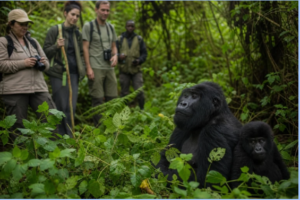
Difficulty varies from moderate to demanding. The terrain is steep, often muddy, and at high altitude, so the air is thinner than you may be used to. Some treks end within an hour, while others take most of the day.
You do not need to be an elite athlete, but you should be comfortable walking for several hours. A few weeks of regular hiking or stair climbing before you travel can make a real difference. If you are concerned, hire a porter. Porters carry your bag, offer a steadying hand on tough sections, and earn income that benefits local families.
What to Pack
- Sturdy waterproof hiking boots with ankle support
- Lightweight long-sleeved tops and long trousers
- A waterproof jacket or poncho
- Gardening or hiking gloves to protect your hands from nettles and thorns
- A hat, sunscreen, and insect repellent
- A camera or phone without flash, plus spare batteries
- A refillable water bottle and light snacks
- A small daypack
Layers are the key. Mornings can be cold at altitude, while the hike itself will warm you up.
Gorilla Trekking Rules to Know
Rules exist to protect both visitors and the gorillas.
- The minimum age to trek is 15 years.
- Keep a distance of about seven meters from the gorillas.
- Keep your voice low and avoid sudden movements.
- Do not use flash photography.
- Do not eat, drink, or smoke near the gorillas.
- Visitors with colds, flu, or other contagious illness may be refused entry, since gorillas are vulnerable to human diseases.
- If you need to cough or sneeze, turn your head away and cover your mouth.
If a gorilla approaches you, stay calm, avoid eye contact, and follow the guide’s instructions.
Combining Gorilla Tours with Other Rwanda Experiences
Many travelers extend their trip beyond the gorillas. Popular additions include:
- Golden monkey tracking in Volcanoes National Park, an easier and shorter activity.
- Dian Fossey tomb hike to the site of the researcher’s grave and former camp.
- Lake Kivu, a relaxing lakeside destination for boat trips and beaches.
- Nyungwe Forest National Park, famous for chimpanzee trekking and a canopy walkway.
- Akagera National Park, Rwanda’s savannah reserve with big game safaris.
- Kigali, with the Kigali Genocide Memorial, art galleries, and cafes that offer insight into the country’s history and recovery.
A common itinerary is three days for gorillas and Kigali, or seven to ten days combining gorillas, chimpanzees, and savannah wildlife.
Choosing a Gorilla Tour Operator in Rwanda
A good operator makes the difference between a stressful trip and a smooth one. Look for a licensed, locally registered company with a transparent price breakdown. Check recent independent reviews, and ask who handles your permit booking and what the cancellation or date-change policy is. Reliable operators employ local guides and drivers, use responsible lodges, and place your safety and the animals’ welfare ahead of schedule pressure. Be cautious of any company that guarantees a specific gorilla family or quotes a permit price far below the official rate.
Conservation Impact
Mountain gorillas were once at serious risk of extinction due to poaching, habitat loss, and disease. Decades of protection, daily monitoring, and community engagement have helped numbers rise, and the species is now listed as Endangered rather than Critically Endangered. Tourism revenue in Rwanda supports park management and funds projects such as schools, clinics, and water systems in surrounding communities. Each permit purchased is a direct contribution to the survival of the species.
Conclusion
Gorilla tours in Rwanda combine convenience, safety, and a deeply moving wildlife encounter. The country’s well-run system, scenic volcano backdrop, and strong conservation focus make it an excellent choice for first-time and returning visitors alike. While permits are costly, the price reflects a model that protects both the gorillas and the people who live beside them. Plan early, prepare for the terrain, follow the rules, and travel with a trusted operator. The reward is one unforgettable hour in the forest and the knowledge that your visit helps keep the mountain gorilla’s future secure.
Key Takeaways
- Rwanda’s gorilla trekking takes place in Volcanoes National Park, about two to three hours from Kigali.
- Rwanda has some of the highest permit prices, but the money supports conservation and communities.
- Each group has up to eight visitors, and you spend one hour with the gorillas.
- The dry seasons (June to September, December to February) are the most popular.
- The minimum age is 15, and visitors must keep about seven meters away.
- Fitness and proper gear make the trek more enjoyable.
- A short three-day trip is possible, and many travelers add golden monkeys, Nyungwe, or Akagera.
- Confirm current permit prices and policies with RDB or a licensed operator.
Frequently Asked Questions
How much does a gorilla trekking permit in Rwanda cost?
Foreign non-resident permits have been around USD 1,500 per person. Rates can change, so confirm with the Rwanda Development Board or your operator before booking.
How long do you spend with the gorillas?
One hour once you find them. The trek to reach them varies from under an hour to several hours.
How far in advance should I book?
For peak dry-season dates, book at least four to six months ahead. Wet-season dates are often easier to get.
How difficult is gorilla trekking in Rwanda?
It ranges from moderate to challenging, depending on the family and where they are on the day. Guides try to match groups to fitness levels, and porters are available.
Can children trek to see gorillas in Rwanda?
The minimum age is 15.
Is it safe to trek in Rwanda?
Yes. Rwanda is considered one of the safer travel destinations in Africa, and rangers accompany every group. As with any trip, check current travel advisories before you go.
Can I do a gorilla trek in one day from Kigali?
It is possible but tiring, since the drive takes several hours each way. Most visitors stay at least one night near the park.
What happens if I am sick on the trekking day?
You may be refused entry to protect the gorillas. Ask your operator about refund or rescheduling terms before you book.
Are gorilla sightings guaranteed?
Sightings are very likely, since trackers follow the gorillas daily, but they are wild animals and no outcome can be promised.
Should I tip guides and porters?
Tipping is customary and appreciated. Your operator can suggest suitable amounts.