
When considering automotive safety, most people immediately think of airbags, anti-lock braking systems, and seatbelts. However, the glass surrounding the driver and passengers also plays a fundamental role in protecting the occupants of a vehicle.
Enhancing these glass surfaces with professional films can provide an additional layer of security that many standard vehicles lack.
This modification is not merely about aesthetics; it is a strategic safety upgrade that addresses several physical and environmental risks associated with driving. Understanding the protective benefits of this service can help you prioritize safety in your daily commute.
Strengthening Glass Integrity During Collisions
One of the most significant safety benefits of high-quality films is their ability to hold shattered glass together. In the event of a side-impact collision or a rollover, automotive glass can shatter into thousands of dangerous shards.
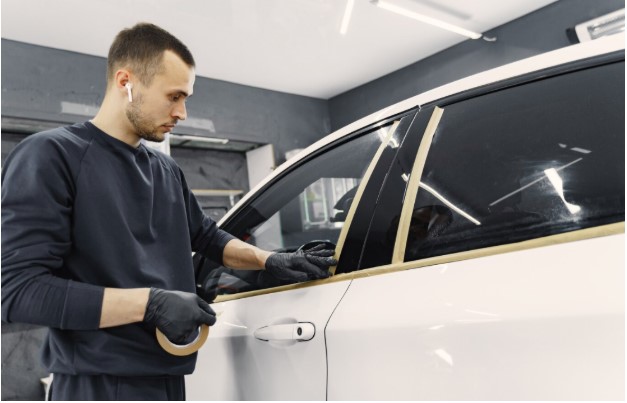
When a vehicle undergoes car window tinting, the adhesive layer of the film acts as a bonding agent. This prevents broken glass from spraying into the cabin and causing severe lacerations to the passengers.
By maintaining the structural cohesion of the window, the film reduces the risk of occupant ejection and provides a vital secondary barrier during an emergency.
Minimizing Dangerous Glare and Eye Strain
Visual clarity is the first line of defense for any driver navigating a busy road. Blinding sunlight during the day or the intense high-beams of trailing vehicles at night can lead to temporary blindness or significant eye fatigue.
Utilizing car window tinting helps to diffuse these harsh light sources, allowing for a much clearer view of the surroundings. This reduction in glare is essential for maintaining quick reaction times and identifying hazards such as pedestrians or cyclists.
A consistent, comfortable visual field ensures that the driver remains focused on the road ahead without the constant need to squint or divert their gaze.
Preventing Interior Overheating and Heat Stroke
Extreme heat inside a vehicle is more than just an inconvenience; it can be a serious health hazard, especially for children, the elderly, or pets. On a hot day, the greenhouse effect can cause the temperature inside a cabin to skyrocket within minutes.
A professional application of car window tinting can reject a vast majority of solar thermal energy, keeping the interior at a much more manageable temperature.
By preventing the cabin from becoming dangerously hot, the film helps reduce the risk of heat exhaustion and ensures that the driver remains alert and physically comfortable during long journeys.
Protecting Occupants from Harmful Radiation
While most people are aware of the importance of sunscreen outdoors, many forget that they are still exposed to the sun’s rays while inside a vehicle. Standard side windows often allow a significant amount of ultraviolet radiation to pass through, which can lead to skin damage over time.
High-performance films are engineered to block nearly all harmful ultraviolet rays, creating a protective shield for everyone inside.
This long-term health benefit is an often-overlooked aspect of vehicle safety that provides daily protection against invisible environmental threats, ensuring a safer environment for those who spend significant time behind the wheel.
Deterring Theft and Protecting Valuables
Safety also encompasses the security of your belongings and the prevention of criminal activity. A vehicle with clear windows provides an easy target for opportunistic thieves who can see electronics, bags, or tools left on the seats.
The increased privacy provided by car window tinting makes it difficult for outsiders to peer into the cabin, effectively removing the temptation for a break-in.
By obscuring the interior, you decrease the likelihood of a smash-and-grab incident. This added layer of security protects your financial assets and prevents the emotional distress associated with vehicle theft and vandalism.