
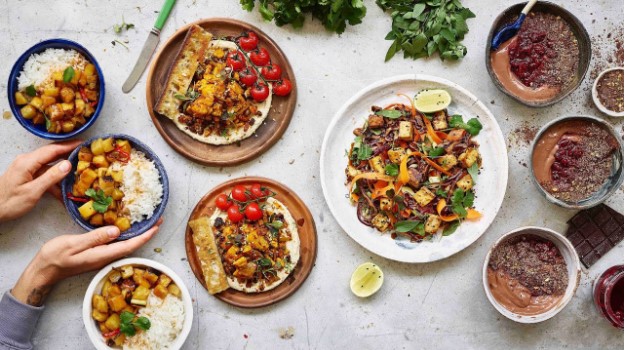
Kitchen habits continue to evolve as time constraints shape how meals are planned and prepared across households. The focus has shifted toward structured solutions that reduce preparation effort while maintaining control over ingredients and taste. Within this transformation, ready to cook foods have become a practical response to modern routines, offering efficiency without removing the experience of cooking itself.
This change reflects a broader preference for reliability in everyday meals. Consumers now expect consistency, hygiene, and familiarity in what they prepare at home, even when time is limited. Products designed around these expectations deliver measured portions, stable shelf life, and predictable outcomes, allowing individuals to maintain regular eating patterns without relying entirely on external food sources.
Understanding the Shift Toward Semi-Prepared Cooking
The movement toward semi-prepared formats is driven by practical needs rather than trends. Meal preparation today must fit into tighter schedules, where reducing repetitive tasks becomes essential. Pre-cleaned, portioned, and partially prepared ingredients help streamline cooking without altering its core process.
At the same time, the expectation of home-style taste remains intact. Food solutions in this category are developed to preserve familiar flavors while simplifying preparation. This balance ensures that efficiency does not replace authenticity, which continues to influence consumer choices strongly.
Ingredient Integrity and Responsible Sourcing
The quality of ingredients plays a defining role in how these products are perceived. Strong sourcing practices ensure that raw materials meet consistent standards before entering production. Close collaboration with suppliers allows for better traceability and control over freshness.
Processing methods are designed to retain natural characteristics rather than heavily altering them. Ingredients are handled under structured conditions, ensuring that the final product reflects both quality and safety. This approach supports a reliable experience for consumers who expect both convenience and nutritional value.
Packaging That Supports Freshness and Efficiency
Packaging has evolved into a functional component that actively preserves product quality. It is designed to maintain freshness, protect texture, and extend usability without requiring additional handling by the consumer. This ensures that ingredients remain stable until they are ready to be used.
Measured packaging also simplifies portion control. Instead of estimating quantities, users receive pre-defined amounts that reduce waste and improve planning. This contributes to both operational efficiency and more structured meal preparation, aligning with the needs of modern households.
Practical Advantages in Daily Cooking
Convenience-driven formats introduce tangible benefits that extend beyond saving time. They contribute to better organization, predictable results, and reduced effort in routine cooking.
- Reduced preparation workload
Ingredients arrive cleaned, cut, or pre-mixed, removing repetitive steps that typically consume time in traditional cooking processes. - Improved portion accuracy
Carefully measured quantities prevent excess usage, helping maintain balance in both cost and consumption. - Consistent cooking outcomes
Standardized preparation ensures that flavor and texture remain stable across multiple uses, even for less experienced individuals.
Culinary Flexibility Without Complexity
Despite being pre-prepared to an extent, these products offer flexibility in how they are used. They serve as adaptable bases that can be modified with additional ingredients or cooking techniques to suit different preferences.
This versatility allows users to maintain variety in their meals without increasing complexity. Instead of being restricted to fixed recipes, they can adjust flavors and combinations while still benefiting from reduced preparation effort.
Quality Assurance Through Standardized Methods
Consistency in food production relies on controlled systems that minimize variation. Structured workflows, temperature management, and hygiene protocols ensure that each product meets defined standards before reaching the consumer.
Such processes are critical in maintaining reliability. When consumers purchase a product multiple times, they expect the same taste, texture, and safety standards. Meeting this expectation builds long-term trust and strengthens the role of convenience foods in daily routines.
Structured Convenience in Contemporary Kitchens
Modern kitchens are increasingly organized around efficiency and clarity. Products that require minimal preparation fit naturally into these environments, reducing clutter and simplifying cooking processes.
Within this context, ready to cook meals support balanced eating habits by enabling quick yet controlled meal preparation. They allow users to prepare food at home even when time is limited, ensuring that quality and familiarity are not compromised.
Portion Planning Made Simpler
Measured packaging removes guesswork from cooking. It ensures that meals are prepared in appropriate quantities, reducing both waste and overconsumption.
Reduced Dependency on Raw Preparation
Tasks such as kneading dough or preparing batter are already completed, allowing users to focus only on the final cooking stage with minimal effort.
Faster Cooking Cycles
Pre-prepared components significantly reduce cooking time, making it easier to prepare meals during busy schedules without sacrificing quality.
Controlled Ingredient Exposure
Ingredients handled in structured environments reduce the likelihood of contamination, offering a safer alternative to loosely handled raw materials.
Aligning Convenience with Nutritional Awareness
Convenience is increasingly linked with health considerations. Consumers are not only looking for faster solutions but also for transparency in what they consume. Products designed with clean ingredients and controlled processing meet this expectation effectively.
There is also a growing preference for food that supports balanced diets without excessive additives. Structured preparation methods ensure that the final output remains aligned with these preferences, allowing users to maintain both convenience and nutritional awareness.
The Role of Familiar Staples in Everyday Meals
Traditional food formats continue to play a central role in household diets. Convenience solutions now incorporate these familiar staples, ensuring that they remain accessible without requiring extensive preparation.
Products such as chapatis, parotas, idli and dosa batter, and poori reflect this integration of familiarity with efficiency. By offering these staples in pre-prepared formats, food providers enable households to maintain cultural consistency while adapting to modern schedules.
Final Thoughts
Is convenience in cooking simply about saving time, or is it about reshaping how meals fit into everyday life? The answer lies in how structured food formats are designed to support both efficiency and familiarity. Satchmo Foods operates within this space by offering a range of packaged staples, snacks, dairy items, and batters that align with modern expectations of quality, hygiene, and consistency while preserving home-style taste.
Their approach reflects a clear understanding of evolving kitchen needs, where products such as readymade roti represent not just ease of use but a practical way to maintain everyday meal routines without disruption.