
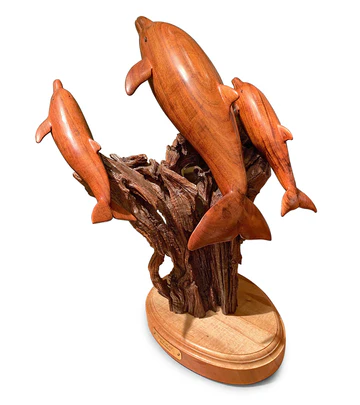
In a world increasingly shaped by automation and mass production, handcrafted art continues to hold a special significance. People are often drawn to objects that reveal evidence of human skill, patience, and creativity. Wooden sculpture art is one of the clearest expressions of this connection.
Every sculpture begins with a piece of wood that has developed its own grain, texture, and character over decades. The artist’s role is not simply to shape the material but to understand it. Through carving, shaping, and finishing, a block of wood becomes an artistic statement that reflects both craftsmanship and imagination.
Hawaii has a long tradition of respecting natural materials and skilled artisans. Today, wooden sculpture art remains an important part of that tradition, offering collectors an opportunity to experience craftsmanship in its most personal form.
What Makes Wooden Sculpture Art Different From Decorative Objects?
At first glance, a sculpture and a decorative object may appear similar. Both can enhance a room and create visual interest. The difference lies in purpose and intention.
Decorative objects are often produced to fill a space or follow a design trend. Wooden sculpture art is created as an artistic expression. The artist makes deliberate decisions about form, proportion, movement, and material, using wood as a medium rather than simply a construction material.
Several qualities distinguish fine wooden sculpture art:
- Individual artistic vision
- Original craftsmanship
- Material authenticity
- Creative interpretation
- Long-term cultural and artistic value
These characteristics help explain why collectors often view wooden sculptures as works of art rather than home accessories.
The Connection Between Material and Artistic Expression
Wood is unlike many artistic materials because it arrives with its own personality.
The grain, density, figure, and natural color variations influence how an artist approaches the work. Rather than imposing a design without consideration for the material, skilled sculptors often allow the wood itself to guide certain decisions.
This relationship between artist and material creates a level of authenticity that cannot be replicated through manufactured production methods.
Wooden sculpture art also invites close observation. Subtle grain patterns, changes in texture, and natural imperfections become part of the finished work rather than flaws to be hidden.
The result is an artwork that feels both intentional and organic.
Why Koa Wood Plays a Special Role in Hawaiian Sculpture
Few materials are more closely associated with Hawaiian craftsmanship than koa.
Koa grows only in Hawaii and has been valued for centuries because of its beauty, durability, and cultural significance. Historically, it was used for canoes, paddles, bowls, surfboards, and fine furniture. Its importance extends beyond practicality, making it one of the islands’ most respected native hardwoods.
For artists, koa offers several qualities that make it particularly appealing:
- Rich natural coloration
- Distinctive grain patterns
- Excellent carving characteristics
- Strong visual depth
- Long-term durability
Curly koa is especially prized because of its remarkable figure and movement. This rare characteristic appears in only a small percentage of koa trees and is highly sought after by woodworkers, furniture makers, and artists.
The use of koa in sculpture connects contemporary artistic work to generations of Hawaiian craftsmanship.
Types of Wooden Sculpture Art Found in Hawaiian Collections
Wooden sculpture art encompasses a wide range of styles and subjects.
| Sculpture Type | Characteristics | Common Display Setting |
| Abstract Sculpture | Focus on shape and movement | Contemporary interiors |
| Wildlife Sculpture | Inspired by animals and nature | Homes and galleries |
| Wall Sculpture | Designed for vertical display | Living spaces and offices |
| Functional Art Objects | Blend artistic and practical elements | Collections and interiors |
Each category reflects a different artistic approach while sharing a commitment to craftsmanship and material integrity.
The Craftsmanship Behind Fine Wooden Sculpture Art
The creation of a wooden sculpture involves far more than carving.
The process often begins with careful wood selection. Artists evaluate grain patterns, coloration, and structural characteristics before determining how the material will be used.
The sculpture then moves through several stages:
Material Selection
Choosing wood that supports the artistic vision.
Shaping and Carving
Removing material while developing form and structure.
Refinement
Adding detail and improving balance, proportion, and surface quality.
Sanding and Finishing
Enhancing the natural beauty of the wood while protecting the finished piece.
Every decision affects the final outcome. The process requires patience, technical skill, and a deep understanding of the material.
How Wooden Sculpture Art Adds Character to a Space
Art influences how people experience a room. Wooden sculpture art introduces qualities that many other materials cannot provide.
Natural wood brings warmth, texture, and visual depth into an environment. A well-placed sculpture often becomes a focal point that draws attention without overwhelming the space.
Collectors and interior designers frequently value wooden sculptures because they:
- Introduce natural materials into interiors
- Create visual contrast
- Encourage conversation
- Reflect personal interests and values
- Support artisan craftsmanship
Unlike trend-driven decorative items, thoughtfully selected sculpture can remain relevant and meaningful for decades.
What Collectors Look for When Choosing Wooden Sculpture Art
Collectors often evaluate wooden sculpture art using several criteria.
Artist Reputation
The artist’s experience, body of work, and contribution to their field.
Material Quality
The authenticity and character of the wood being used.
Craftsmanship
The technical skill demonstrated throughout the piece.
Originality
The uniqueness of the artistic concept and execution.
Long-Term Significance
The potential for the work to remain meaningful over time.
These considerations help distinguish fine sculpture from decorative production pieces.
Exploring Hawaiian Wood Sculpture Collections
Hawaii’s artistic community includes talented sculptors who work across a variety of styles and disciplines. Their work reflects the islands’ landscapes, cultural influences, wildlife, and craft traditions.
Martin & MacArthur fine art collections showcase artists whose work demonstrates a commitment to craftsmanship and artistic excellence. Alongside its long history of promoting koa craftsmanship, the company has also supported artists whose work contributes to Hawaii’s broader artistic legacy.
This approach reflects a philosophy that values both material mastery and creative expression.
Conclusion
Wooden sculpture art continues to resonate because it offers something increasingly rare: evidence of time, skill, and human creativity. Every piece reflects a conversation between artist and material, resulting in work that cannot be duplicated by mass production.
Whether abstract or representational, contemporary or traditional, a handcrafted wooden sculpture carries a sense of permanence that extends beyond trends. For collectors, art enthusiasts, and those who appreciate craftsmanship, these works represent more than decoration. They serve as lasting expressions of artistry, material integrity, and cultural tradition.
FAQs
What is wooden sculpture art?
Wooden sculpture art refers to artistic works created from wood through carving, shaping, and other craftsmanship techniques.
Why is wood a popular material for sculpture?
Wood offers natural beauty, unique grain patterns, durability, and a strong connection between artist and material.
What makes Hawaiian wooden sculpture art unique?
Many Hawaiian sculptures draw inspiration from local culture, natural landscapes, wildlife, and native materials such as koa.
Is koa wood used in sculpture?
Yes. Koa is valued for its beauty, carving qualities, and cultural significance, making it a respected material for artistic work.
How do collectors evaluate wooden sculpture art?
Collectors often consider craftsmanship, material quality, originality, artist reputation, and long-term significance when evaluating a sculpture.